
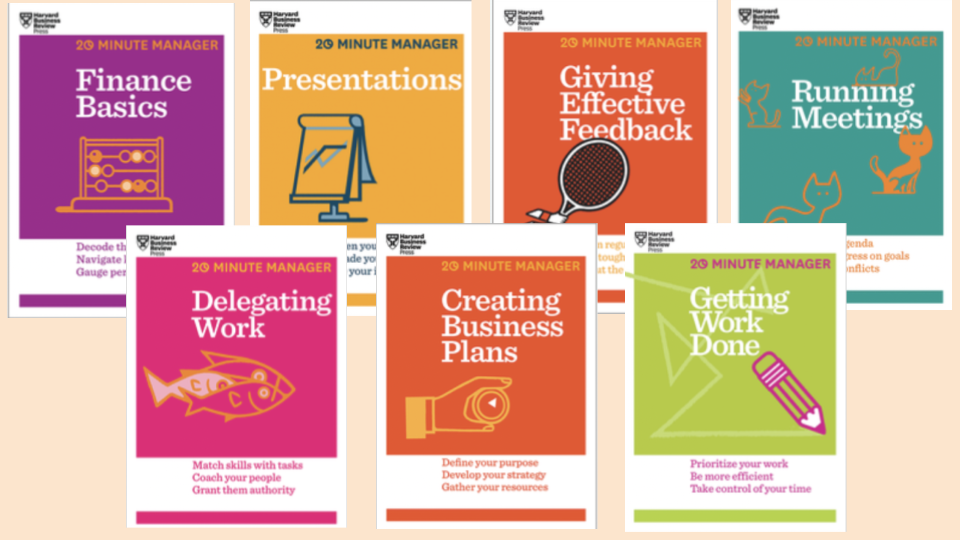
 April/May 2024's pick--a variety pack of Harvard Business Review's 20-Minute Manager guides, $30 for four books After heeding our call in February and March, your contributions allowed us to purchase 720 copies of how-to-draw books on behalf of Books Through Bars. Thank you so much! For the next campaign (which again will be over two months), BTB asked us to focus on business advice books. For $30 we will pick a variety of four titles from Harvard Business Review's 20-Minute Manager series:
HBR 20-Minute Manager books for Books Through Bars
$52.00
$30.00
Freebird's April/May 2024 picks include a selection from Harvard Business Review's 20-Minute Manager guides (Finance Basics; Running Meetings; Presentations; Managing Projects; Managing Time; Getting Work Done; Creating Business Plans; Managing Up; Delegating Work; Giving Effective Feedback), $30 for four books Please note that when Square processes your order they describe it as a "digital delivery". That does not refer to way the books will be delivered to incarcerated readers. Your purchase will go towards NYC Books Through Bars fulfilling requests with physical copies of the aforementioned titles. 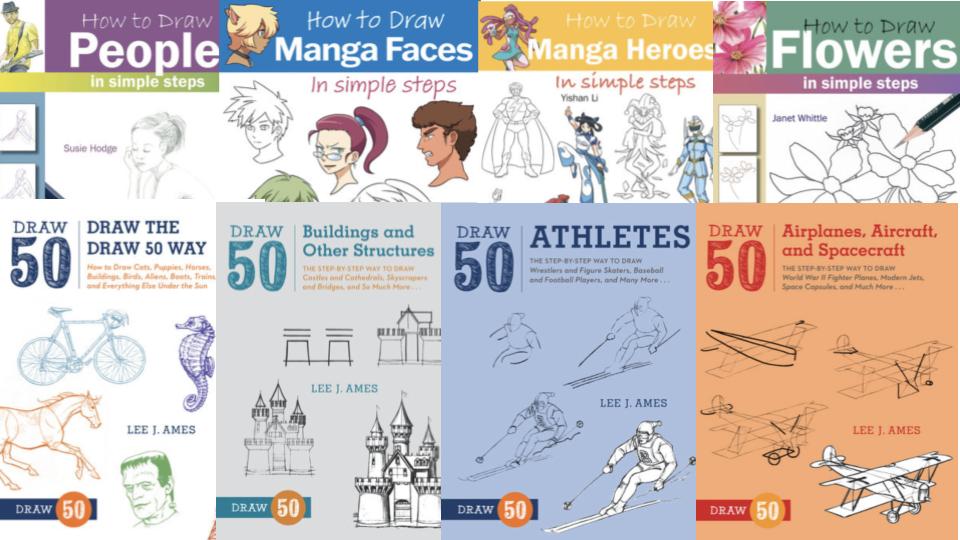 February/March 2024's pick--a variety pack of drawing instructional guides, $30 for five books After heeding our call in November and December, your contributions allowed us to purchase 540 copies of the latest World Almanac (blowing past our goal of 400) on behalf of Books Through Bars. It made us realize that in 2024 we may need to re-orient our campaigns to be more focused and extended around a single theme (so two months per bundle, rather than 30 days). With that in mind, we asked Books Through Bars what they in particular need of for the coming months and they responded with how-to-draw books. For $30 we will pick a variety of five titles from two different series: Search Press's How to Draw in Simple Steps; and Watson-Guptill's Draw 50 (people, buildings, cartoon characters, airplanes, animals, flowers, and others). How to Draw books for Books Through Bars
$50.00
$30.00
Freebird's Feb/March 2024 picks include a selection from the Search Press's How to Draw in Simple Steps and Watson-Guptill's Draw 50 (i.e. people, buildings, cartoon characters, airplanes, animals, flowers, and others).-- $30 for five books Please note that when Square processes your order they describe it as a "digital delivery". That does not refer to way the books will be delivered to incarcerated readers. Your purchase will go towards NYC Books Through Bars fulfilling requests with physical copies of the aforementioned titles. Freebird's July 2023 book drive for Books Through Bars looks to the skies and under the hood7/1/2023
July's book bundle for incarcerated readers are all about planes, trains, automobiles...and zeppelins $30 purchases three books (45% off retail)* 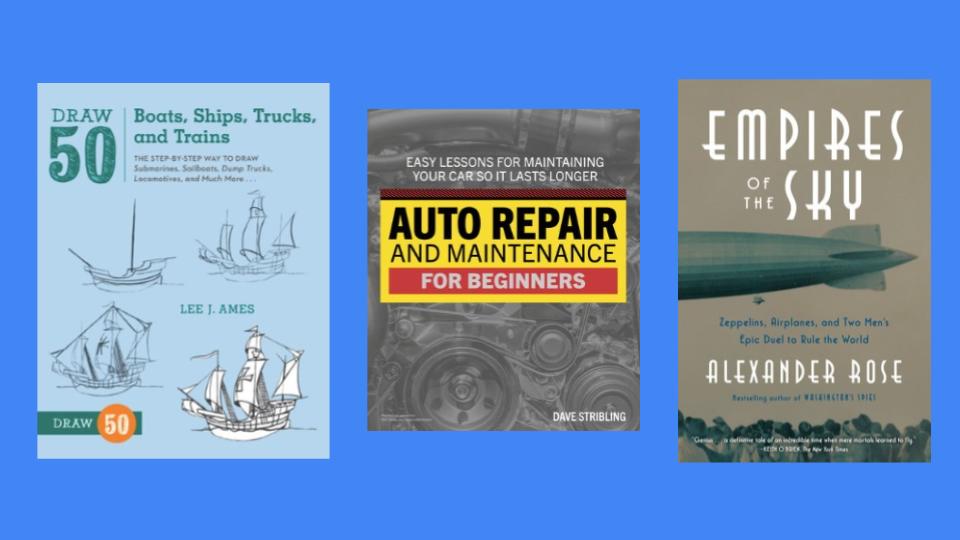 Following our campaign (collecting 204 books!) that focused on game play and honing thought and strategy, we hit on a transportation theme. A steady subset of requests amongst incarcerated readers are manuals for learning a trade. And especially as they relate to cars. Here we include a beginners guide on Auto Repair and Maintenance to inspire those budding mechanics. On the aeronautics side, Empires of the Sky tells the dramatic story of the early 20th century battle between airships and airplanes for dominance in international travel (concluding with the fiery crash of the Hindenburg). And we round these out with a title from the Draw 50 series--art instruction remains one of the most in-demand topics--featuring how to draw other vehicular conveyances: trains, ships, and fighter planes.
*Each purchased bundle will be delivered directly to Books Through Bars so that they can fulfill requests from incarcerated readers. If you wish to purchase one of these titles for yourself, you can go to https://bookshop.org/shop/FreebirdBooks. Chess Tactics, Card Games, and The Big Trivia Quiz Book
$49.00
$30.00
Freebird's June 2023 focuses on three titles-- $30 helps purchase for incarcerated readers copies of Chess Tactics for Champions, Penguin Book of Card Games, and The Big Trivia Quiz Book. Please note that when Square processes your order they describe it as a "digital delivery". That does not refer to way the books will be delivered to incarcerated readers. Your purchase will go towards NYC Books Through Bars fulfilling requests with physical copies of the aforementioned titles. Following our campaign (collecting 200 books!) that focused on the Western and books that pushed the boundaries of that genre, we go back to a perennial favorite: game play. How to play chess or improve one's strategies is frequently requested, as well as books to test one's knowledge or learn a new card game. We feature for June: Chess Tactics for Champions by Susan Polgar, The Penguin Book of Card Games by David Parlett, and The Big Trivia Quiz Book.
*Each purchased bundle will be delivered directly to Books Through Bars so that they can fulfill requests from incarcerated readers. If you wish to purchase one of these titles for yourself, you can go to https://bookshop.org/shop/FreebirdBooks. May's book bundle for incarcerated readers takes on the Western--but not your dad's Zane Grey $30 purchases three books (42% off retail)* 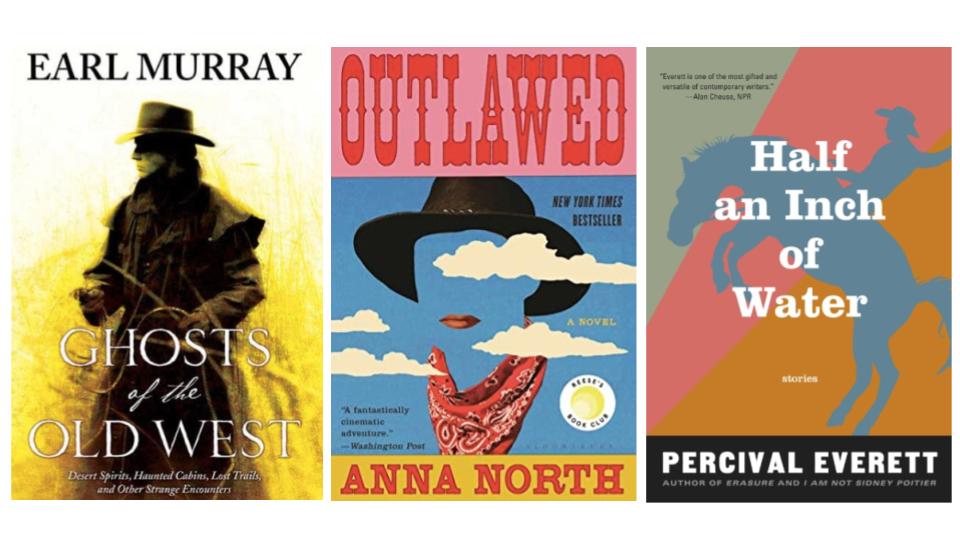 Following our campaign (collecting 415 books!) that focused on staying fit, physically and mentally, we delve into a genre that incarcerated readers always desire but that Books Through Bars almost never gets donated: the Western. That might be a reflection of where we are located and the fact New York book consumers do not make up the usual demographic for tales of derring do on the high prairie. But the fact remains that classics by Zane Grey, Louis L'Amour, and William Johnstone are in almost as high demand for escapism as genre fiction from Stephen King, John Grisham, and Clive Cussler. Rather than picking from the above writers' backlist, which can contain some very problematic depictions of indigenous peoples, we chose a variety of titles that represent different interpretations of the American West, both modern and mythic. Percival Everett's fiction is finally getting its due in the book press, and Half an Inch of Water demonstrates his range--not to mention his ability to blast through being pigeon holed as a writer. Here is a chronicle of the West that need not strictly be of the white experience. While Anna North reevaluates the myth of the Old West through the lens of women gunslingers in Outlawed. A bestseller and book club at publication, Outlawed is a rollicking story of the Hole in the Wall Gang that is "a provocative blend of alt-history and feminist consciousness" (Washington Post). Rounding these out is Ghosts of the Old West: an exploration of the myths that power all good Westerns, especially as they relate to other worldly elements. *Each purchased bundle will be delivered directly to Books Through Bars so that they can fulfill requests from incarcerated readers. If you wish to purchase one of these titles for yourself, you can go to https://bookshop.org/shop/FreebirdBooks. Outlawed/Half an Inch of Water/Ghosts of the Old West
$51.00
$30.00
Freebird's May 2023 focuses on three titles-- $30 helps purchase for incarcerated readers copies of Outlawed by Anna North; Half an Inch of Water by Percival Everett; and Ghosts of the Old West by Earl Murray Please note that when Square processes your order they describe it as a "digital delivery". That does not refer to way the books will be delivered to incarcerated readers. Your purchase will go towards NYC Books Through Bars fulfilling requests with physical copies of the aforementioned titles. April's book bundle for incarcerated readers focuses on how to stay healthy $30 purchases five books (40% off retail; each bundle will include two of the Weight-Free Workout)  April 2023's pick spotlights mind and body health, essential resources for incarcerated readers: $30 for five books*Following our March campaign (collecting 270 books!) that focused on the natural world and creatures great, small, and sometimes scary, we go back to a perennial concern for those behind bars: staying healthy. Since 2020, we have featured the Men's Health Best: Weight-Free Workout four different times, amassing nearly 500 copies. And each time Books Through Bars has quickly exhausted that supply. On this occasion each bundle you purchase will go towards two copies of the workout book, hopefully keeping up with demand from incarcerated readers. A book we haven't done before, but that provides essential information for any life threatening situation, is The Little Book of Medical Emergencies. And rounding these out will be two titles from The Train Your Brain series of games and puzzles from Peter de Schepper and Frank Coussement: Mental Agility and Mind Games. *Each purchased bundle will be delivered directly to Books Through Bars so that they can fulfill requests from incarcerated readers. If you wish to purchase one of these titles for yourself, you can go to https://bookshop.org/shop/FreebirdBooks. Train Your Brain/Weight Free Workout/Big Medical Emergencies
$49.00
$30.00
Freebird's April 2023 focuses on four titles-- $30 helps purchase for incarcerated readers 2 copies of Men's Health Best: Weight Free Workout, 1 copy of Little Book of Big Medical Emergencies, 1 copy of Train Your Brain: Mind Games, and 1 copy of Train Your Brain: Mental Agility. Please note that when Square processes your order they describe it as a "digital delivery". That does not refer to way the books will be delivered to incarcerated readers. Your purchase will go towards NYC Books Through Bars fulfilling requests with physical copies of the aforementioned titles. Following our annual end-of-year campaign (collecting 423 books!) for the latest World Almanac--we keep the bundle to a single theme and focus this month on manga, an oft requested genre that Books Through Bars does not normally have enough to spare. Since much contemporary adult manga can fall afoul of prison censors (particularly for overtly sexual content), we have chosen two series safe for all ages: Masashi Kishimoto's Naruto and Koyoharu Gotouge's Demon Slayer. 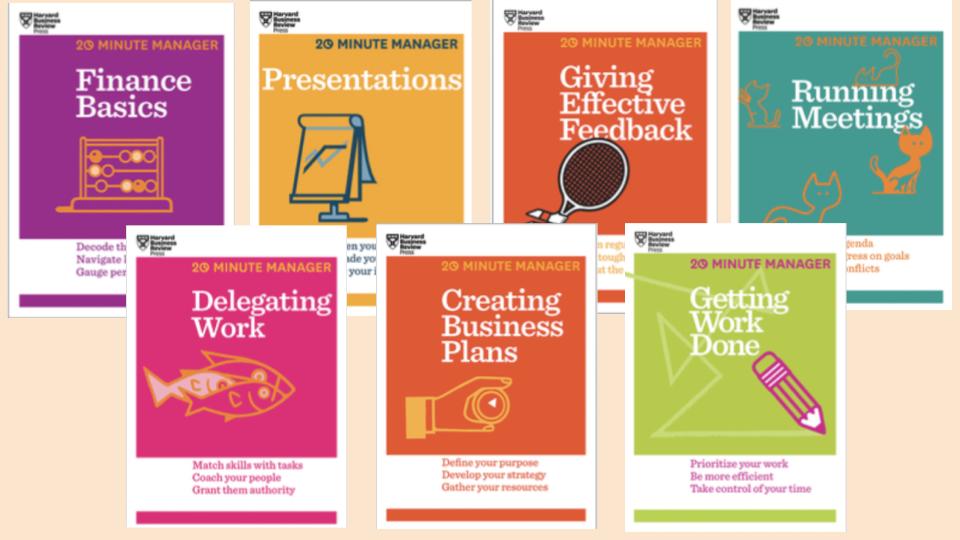 Manga books bundle
$50.00
$30.00
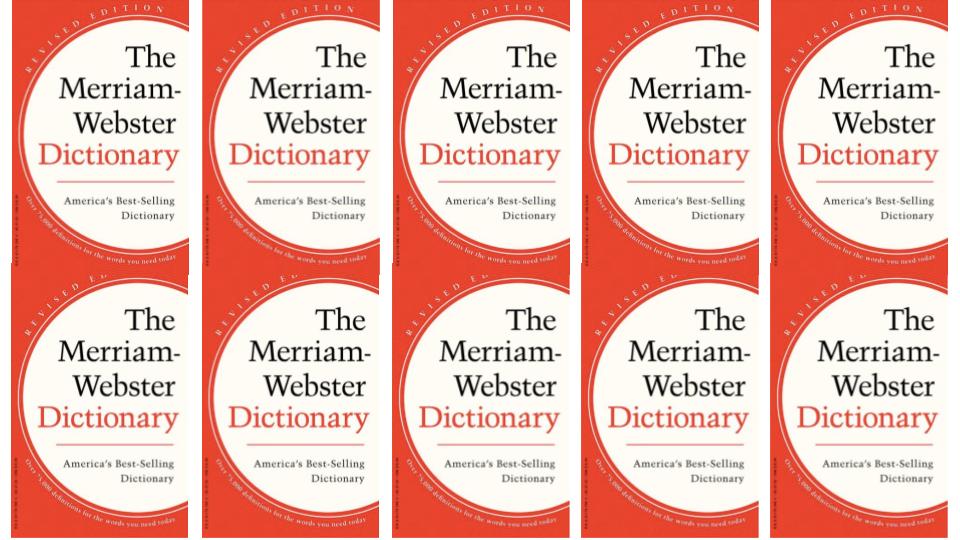
Freebird's January 2023 focuses on manga books-- $30 helps purchase for incarcerated readers 5 manga titles from the from the Naruto and Demon Slayer series Please note that when Square processes your order they describe it as a "digital delivery". That does not refer to way the books will be delivered to incarcerated readers. Your purchase will go towards NYC Books Through Bars fulfilling requests with physical copies of the aforementioned titles. After concluding a successful dictionary campaign (over 1,000 copies collected!), we look ahead to 2023 with the release of the latest World Almanac. Books Through Bars is always in short supply of this high demand reference work. Please help them restock for the coming months. |
Sign up for our newsletterPurchase a Freebird gift card here
Open Hours:
11:00 AM to 7:00 PM Saturdays and Sundays Info:
123 Columbia Street Brooklyn, NY 11231 718-643-8484 info@freebirdbooks.com Archives
January 2024
|
 RSS Feed